Mosquitoes and flies: a health problem, not just a nuisance
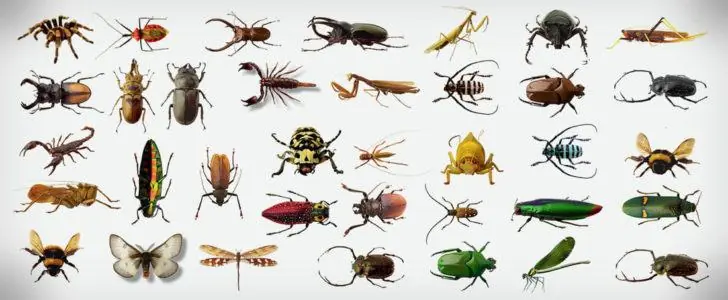
Flying insects such as mosquitoes, flies and wasps are found across the Kingdom and are especially common in coastal and humid areas such as Jeddah, Jazan and Dammam, as well as near farms, gardens and standing water. Many people treat them as a daily nuisance, but they are among the most important disease-carrying insects.
Mosquitoes can transmit diseases such as dengue fever in some areas, and flies move between rubbish and food, spreading bacteria that cause stomach infections. Wasps build nests near windows, rooftops and AC units, and their stings are painful and can cause serious allergic reactions in some people.
Where do flying insects come from?
Mosquitoes breed in standing water. An open tank lid, a saucer under a plant pot or water collecting from an AC unit is enough for them to lay eggs. Within days the larvae become adult mosquitoes, so spraying flying mosquitoes without treating breeding sources only gives a temporary result.
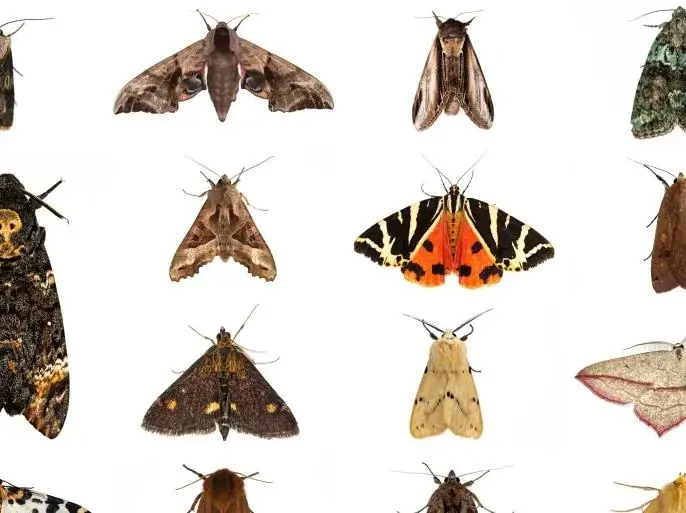
Flies are attracted to organic waste, food scraps and animal droppings, and gather around rubbish bins, commercial kitchens and livestock areas. Moths appear in wardrobes and stored foods such as grains and flour, and cause significant damage if not treated early.
How Orbit controls mosquitoes and flies
We start by inspecting the building and its surroundings to find breeding sites: tanks, drains, fountains, planters and places where AC water collects. We treat these sources with approved larvicides before the larvae turn into flying insects, which is the key step for a long-lasting result.
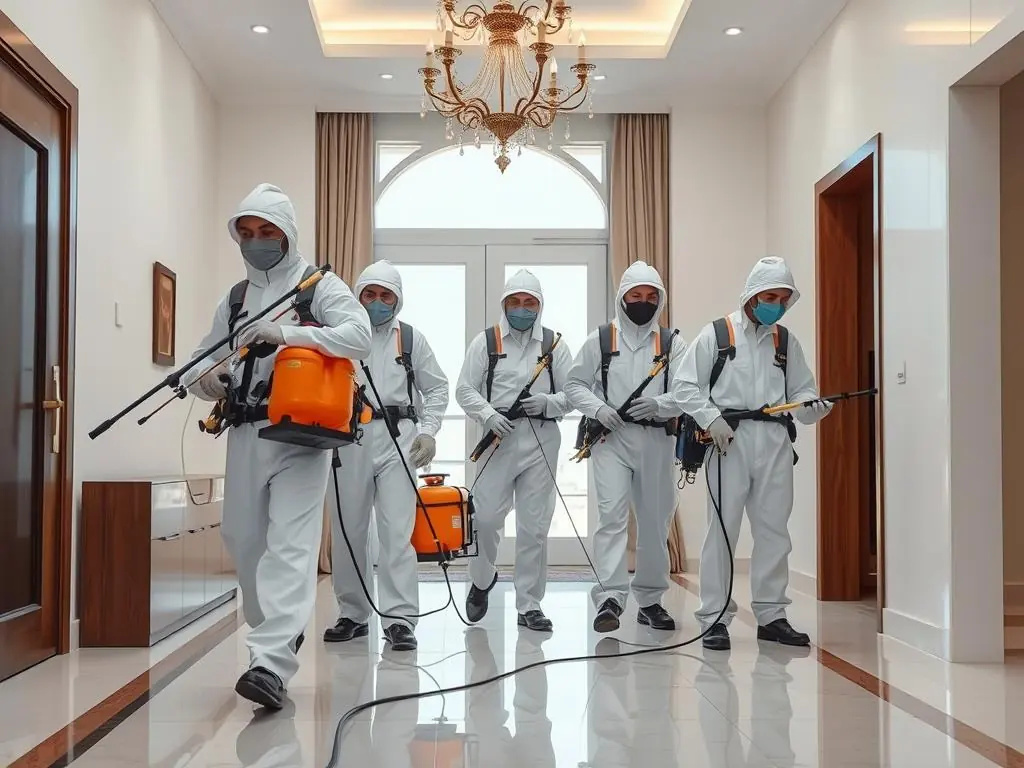
We then use thermal fogging or ULV (ultra-low volume) misting to reduce adult mosquitoes and flies in gardens, yards and open areas. These machines release the product as very fine droplets that reach the places where mosquitoes hide among trees and corners.
For restaurants and commercial kitchens we provide light traps that attract and catch flies without using pesticides near food. We deal with wasp nests safely using full protective equipment, and remove the nest after treatment so the swarm does not return.
Mosquito programs for rest houses, farms and facilities
Rest houses, farms and residential compounds with gardens, pools and tanks need a seasonal program, because their water sources are many and constantly renewed. We design a schedule for each site that includes larval treatment of standing water and evening fogging, when mosquitoes are most active.
For hotels, hospitals and restaurants we install light traps for flies at entrances and kitchens, with regular checks to replace the glue boards and record activity levels. This keeps flying insects under control all year without repeated spraying indoors.
How to reduce flying insects at home
Cover water tanks tightly, empty any containers that collect water at least once a week, and clean AC drain lines. Fit screens on windows and doors leading to the yard, and keep rubbish bins closed with tight lids.
In gardens, trim dense trees and shrubs because mosquitoes hide there during the day, and avoid over-watering. If you run a food business, a regular control program with light traps protects your premises and helps you pass inspections.
Frequently asked questions
How often do I need mosquito spraying?
It depends on the site and the water sources around it. Homes usually need source treatment with fogging and a follow-up, while farms, rest houses and sites near water benefit from a regular program during mosquito season.
Is fogging safe?
We use approved products at suitable concentrations, and ask that people and pets stay away during fogging and for roughly one to two hours afterwards.
Do you remove wasp nests from high places?
Yes. Our technicians handle nests on rooftops, windows and AC units with the right protective equipment, and plan safe access during the inspection.