Termites: the silent enemy of buildings
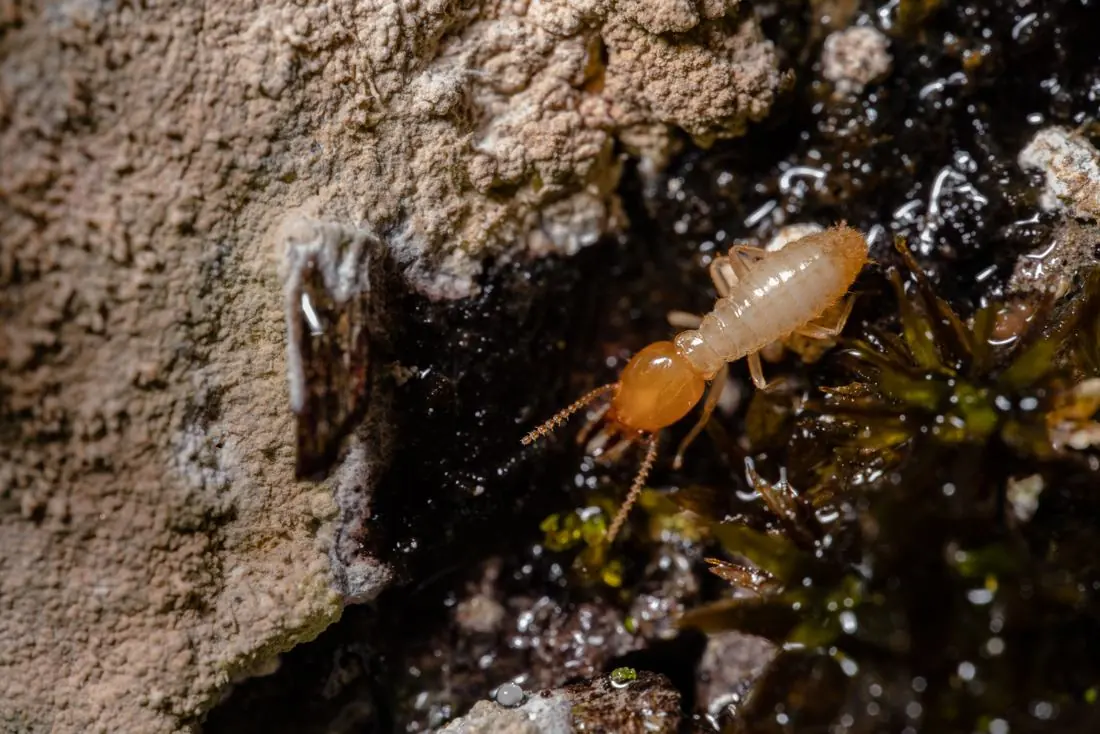
Termites are among the most dangerous pests for buildings and property because they work silently inside wood, walls and soil. Homeowners often only discover an infestation after serious damage to doors, wooden floors or furniture. Termites feed on cellulose in wood, paper and cardboard, and live in large colonies underground.
Termites are found in many parts of the Kingdom. Infestations are more common in humid areas, in buildings with water leaks, and where wood is in direct contact with soil. New buildings are also at risk if the soil is not treated before the foundations are poured.
How to spot a termite infestation early
The most important sign is thin mud tubes that termites build on walls and foundations so they can travel away from light and air. Other signs include wood that sounds hollow when tapped, doors and windows that stick because their frames have swollen, and cracks in paint or woodwork.
At certain times of year, winged termites swarm out of the colony and you may find small discarded wings near windows and lights. This is a strong sign of a nearby colony. If you notice any of these signs, we recommend booking an inspection straight away rather than waiting.
Pre- and post-construction termite treatment
Pre-construction treatment is the best long-term protection for a building. After excavation and before the concrete is poured, we treat the soil with approved termiticides to create a barrier layer that stops termites reaching the building from below. The treatment follows the quantities and technical specifications required for each project.
For existing buildings we inject the soil around foundations and external walls, and inject under floors in affected areas through small holes that are sealed afterwards. We treat infested wood directly and identify the moisture sources that encourage infestation so they can be fixed.
We provide a written warranty of up to 10 years on termite treatment, with periodic inspections to make sure there is no new activity, because termite colonies can be large and may need follow-up after the first treatment.
Why choose Orbit for termite treatment?
Termite treatment requires experience in locating the colony and its direction of movement, the right injection equipment, and carefully measured amounts of product so it reaches the soil correctly. Our technicians are trained in pre-construction treatment for residential and commercial projects, and in treating existing buildings without damaging finishes.
We use pesticides registered with the official authorities in the Kingdom, and after treatment we issue a written warranty of up to 10 years and a certificate showing the treatment date and product, a useful document when selling a property or handing over a project. Whether you are a homeowner who has noticed mud tubes on a wall or a contractor preparing new foundations, book an inspection and we will recommend the right solution and its cost before we start.
How to protect your home from termites
Fix any water leaks in plumbing, roofs and AC units immediately, because moisture is the ideal environment for termites. Do not store wood or cardboard against your walls or directly on soil, and keep planting and heavy watering away from the foundations.
When building or renovating, ask for soil treatment before pouring, and use treated timber where possible. In older villas and rest houses, regular inspections help detect infestations before they reach the structure and furniture.
Frequently asked questions
Can termites be eliminated permanently?
Correct treatment combined with removing moisture sources gives long-term protection. We provide a written warranty of up to 10 years and periodic inspections to make sure activity does not return.
Does treating an existing building require breaking floors?
We drill small holes in specific spots to inject the product into the soil under the floors, then seal them after treatment, without major demolition.
When should soil be treated on a new project?
Treatment is carried out after excavation and soil preparation and before the concrete is poured. We agree the timing with the contractor according to the project schedule.