Why mice and rats are among the most dangerous pests
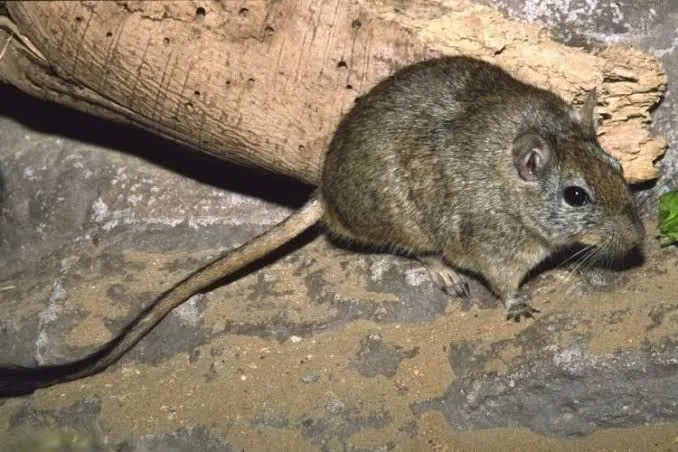
Mice and rats are not just a nuisance; they cause serious financial and health damage. They gnaw electrical wires, which can lead to faults or fires, damage bags, cartons and stored food, and contaminate surfaces with droppings and urine. They can also pass a number of diseases to people directly or indirectly.
Rodents breed very quickly. A female mouse can give birth several times a year, so seeing one mouse usually means there are more you have not seen yet. The problem is greater in warehouses, restaurants, industrial areas and new construction zones, where burrows, waste and food sources are easy to find.
Signs of rodents in your home or warehouse
The clearest signs are small dark droppings shaped like grains of rice near walls and in drawers, and gnaw marks on bags, wires and the corners of wooden doors. You may hear scratching or movement in false ceilings and walls, especially at night, or notice footprints and greasy marks along the routes they use next to walls.
In warehouses you may find holes and burrows near foundations or under pallets, and an unusual smell in storage areas. The earlier you spot the signs, the faster and cheaper the treatment.
Orbit's rodent control program
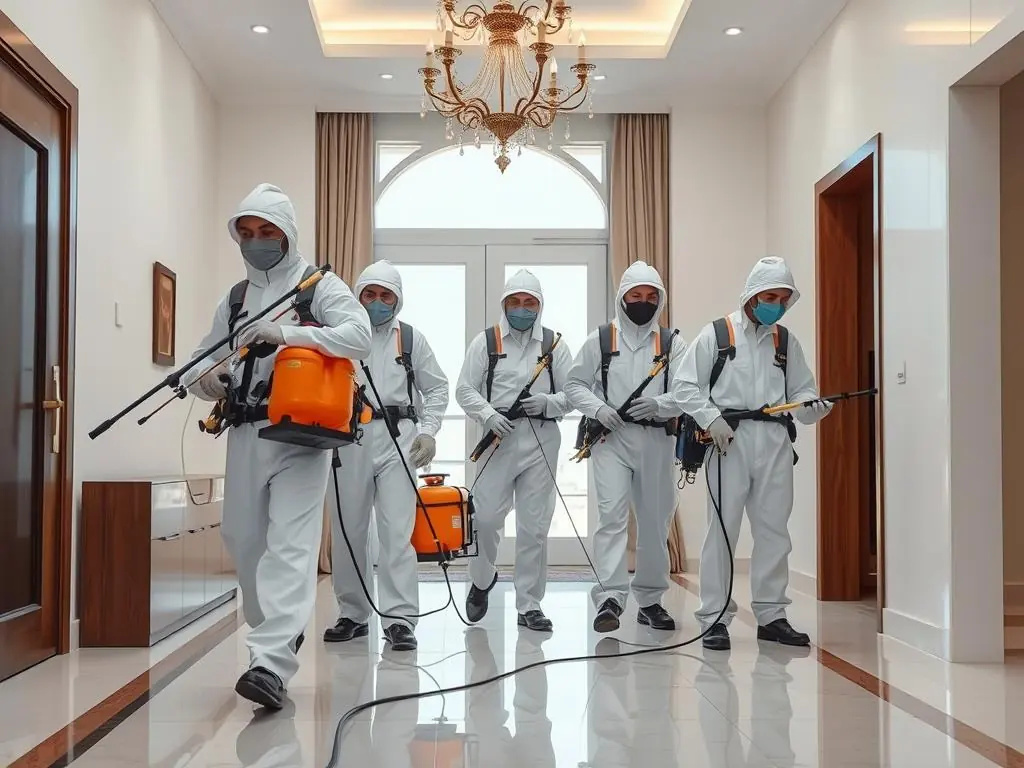
We use integrated pest management that combines several methods. First we inspect the whole building inside and out to find entry points, runways and nesting sites. Then we install sealed, locked and numbered bait stations in planned locations, recorded on a site map, so children and other animals cannot reach the bait.
Inside kitchens and food facilities we use mechanical and glue traps instead of chemical baits near food, in line with food safety standards. We also give clear recommendations for sealing gaps around pipes, doors and vents, because keeping rodents out is the real guarantee that the problem will not return.
Under maintenance contracts we visit regularly to check stations, record activity and replace bait, and we hand over a written report after every visit that you can present to regulators during inspections.
Rodent control for warehouses and industrial sites
Warehouses, factories and food stores are especially exposed to rodents because of their large areas, many doors and loading bays, and stored cartons. We design a station map that covers the outer perimeter, doors and internal aisles, and number every station so activity can be tracked on each visit.
On each visit we record which stations show activity, identify the cause, and give management recommendations such as fixing a door that does not close properly or moving waste away from the building. This reduces stock losses and gives the business a clear record for quality audits and inspections.
Tips to keep mice out
Keep stock raised off the floor and slightly away from walls to make inspection and cleaning easier. Store food in sealed metal or plastic containers, and get rid of piled-up cartons and waste that rodents can use as shelter.
Fit rubber door sweeps on external doors, metal mesh on drains and vents, and seal gaps around service pipes. Keep the area around the building free of rubbish, because open bins are one of the biggest attractions for rats.
Frequently asked questions
Is rodent bait dangerous for children?
We place bait inside sealed stations that only open with a special key, in planned locations out of reach of children and pets.
How long does rodent control take?
It depends on the size of the infestation and the site. Activity usually starts to drop within days of installing the stations, with follow-up visits until the problem is fully resolved.
Do you offer contracts for warehouses and restaurants?
Yes. We offer monthly and annual maintenance contracts that include regular inspections, a station map and the monthly reports your business needs for inspections.